XAI Therapy, Explained for Clinicians: What It Is and What to Ask
This is the practical companion to the Glass Box essay. No philosophy this time — just what XAI Therapy™ actually is, what it does in a working practice, and the questions you should ask me or anyone else who puts AI near your clients.
The one-paragraph version
XAI Therapy (explainable AI–assisted therapy) is a standard for how AI is allowed to behave around clinical work, plus a toolkit built to that standard. The rule: every insight a clinician sees must trace to the client’s own entries and a named clinical framework, and nothing reaches care without a licensed human reviewing it. It is not a modality — your CBT is still CBT, your EMDR is still EMDR. It’s the plumbing underneath, made of glass.
What it looks like in a week of practice
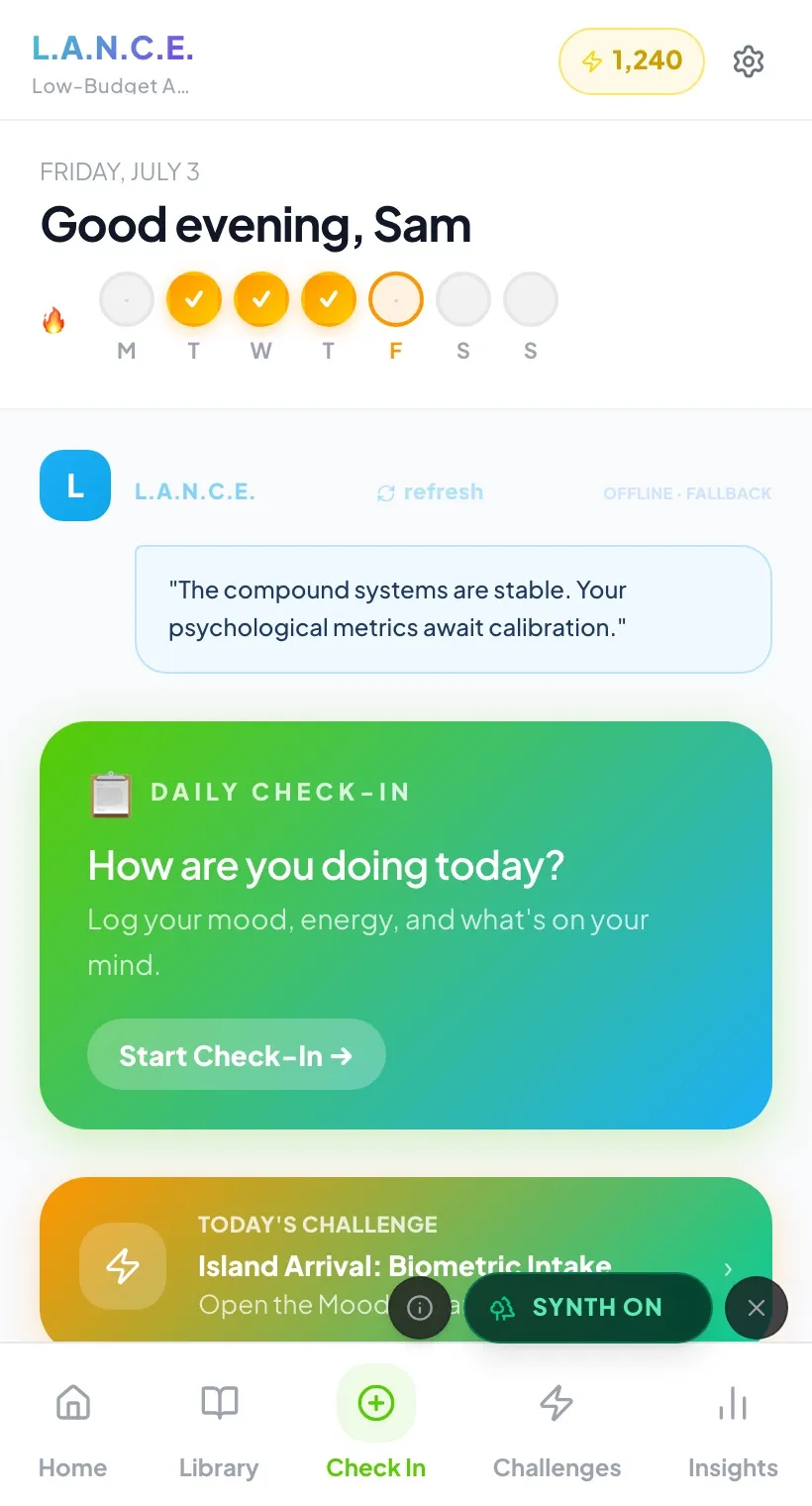
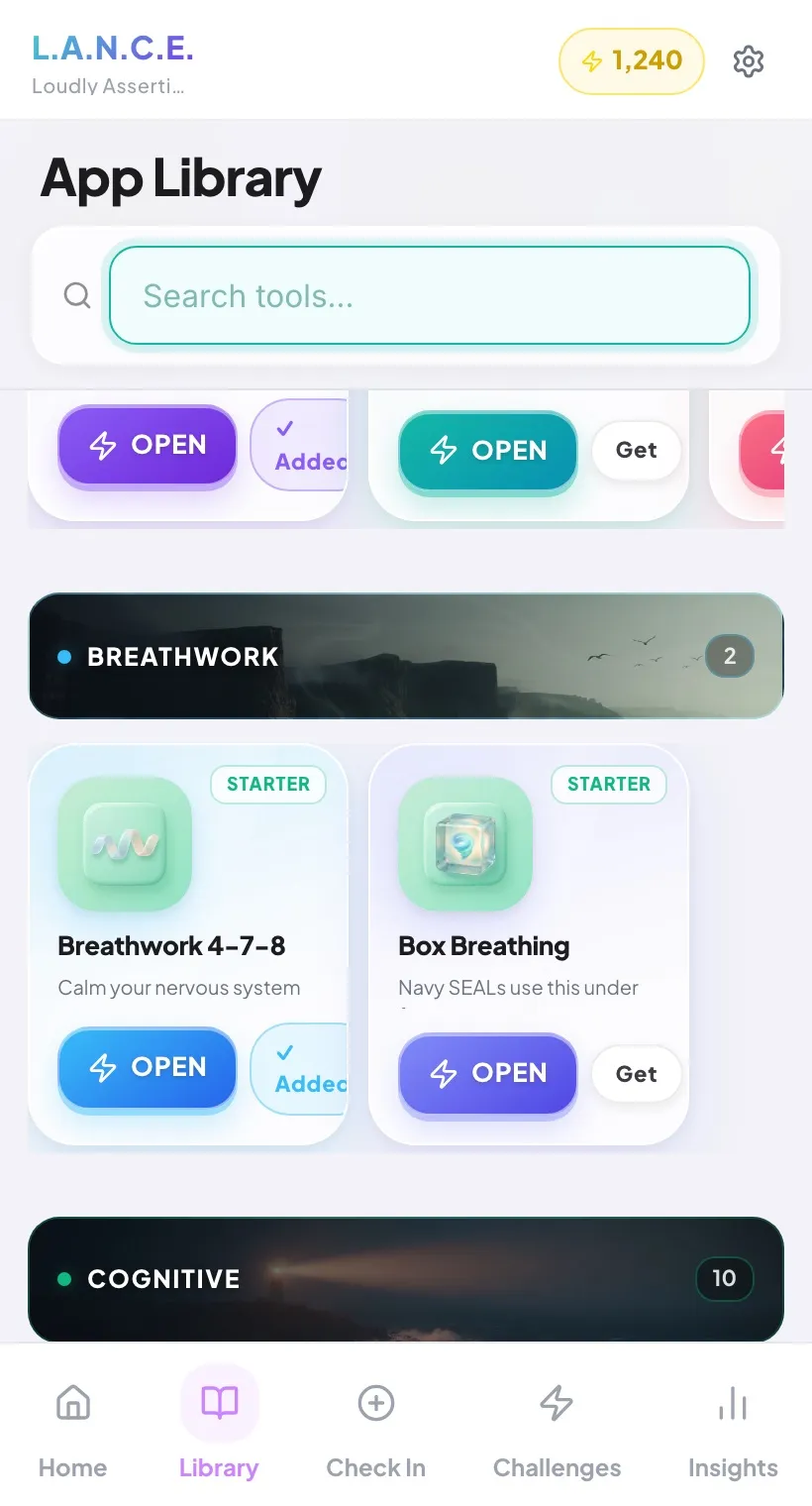
Your client works inside a story-world app between sessions — an island, a voyage. The story steers them to real instruments: thought records, urge logs, grounding reps, mood check-ins. Each one produces structured, framework-tagged entries, timestamped when they happen. Before your session, the AI layer assembles a brief: what was practiced, when, what shifted — every line citing the entries it came from. You open the citations or you don’t. Then you walk into session already knowing the week, and spend the hour on the work instead of the archaeology.
The signal you’ve never had
My favorite part is the humblest: timing. The system knows the difference between homework done Tuesday morning and homework done at 11pm the night before session — because the entries are timestamped, not recalled. Deferral, avoidance, the 2am grounding streak nobody mentions in session: these have always been the most clinically loaded facts in the week, and they have always been invisible. Not anymore, and no machine had to guess at any of it.
Five questions to ask any AI tool (including mine)
- Can I see the evidence behind each insight? If the answer is a confidence score instead of the client’s entries, that’s a black box.
- Can I explain it to my client? Informed consent for a system nobody can describe isn’t consent.
- Who decides? If output reaches a client or a chart without a human signing it, walk away.
- Who owns the data? The record of a life belongs to the person living it.
- What do they claim, and what have they measured? Ask for the study. If there isn’t one, the honest answer is “not yet, and here’s the plan” — anything smoother is marketing.
XAI Therapy answers those five on purpose — the last one included: no outcome claims yet, studies drafted, and I’ll publish what I measure either way.
What it refuses to do
It doesn’t diagnose. It isn’t a crisis service — safety resources are yours to configure for your own jurisdiction, because a default is somebody else’s country. It doesn’t talk to your clients clinically. And it never asks you to trust what it can’t show.
The clinician’s side lives at the Lighthouse; the client worlds are here. If you want the deeper argument, read the Glass Box — and if you want to kick the tires as an early clinician, write me.
— Lance Nabers, LPC
Ready to take the first step?
Free 15-minute consultation. Most clients are scheduled within 48 hours.